
Chronic inflammation is now recognized as the underlying driver of most major chronic diseases — including cardiovascular disease, type 2 diabetes, autoimmune conditions, neurodegenerative diseases, and many cancers. And while inflammation has many drivers — stress, gut permeability, environmental toxins, hormonal imbalance — diet is arguably the most powerful and immediately modifiable one. What you eat three times a day, every day of your life, either promotes a systemic inflammatory environment or suppresses one. This makes dietary choices one of the most consequential levers available in chronic disease prevention and treatment.
Understanding the difference between pro-inflammatory and anti-inflammatory dietary patterns — and making the transition toward the latter — can produce measurable reductions in inflammatory markers and meaningful improvements in how you feel, often within weeks.
The Most Pro-Inflammatory Foods
Certain dietary components are reliably associated with elevated inflammatory markers in research literature. The most significant offenders include refined sugars and high-fructose corn syrup, which trigger rapid insulin spikes and activate inflammatory signaling pathways. Processed seed and vegetable oils — particularly soybean, canola, corn, and sunflower oils — contain high concentrations of omega-6 fatty acids that, in the quantities present in the modern diet, drive a pro-inflammatory arachidonic acid cascade. Refined carbohydrates including white bread, white rice, and most processed grain products cause rapid blood sugar elevation and insulin response. Processed and ultra-processed foods — packaged snacks, fast food, and prepared meals — concentrate multiple inflammatory ingredients simultaneously. Trans fats, still found in some processed foods despite regulatory restrictions, are among the most potent dietary drivers of inflammation. And excessive alcohol consumption disrupts gut microbiome balance and increases intestinal permeability, creating systemic inflammatory burden. Many of these contribute directly to chronic systemic inflammation and insulin resistance.
The Most Anti-Inflammatory Foods
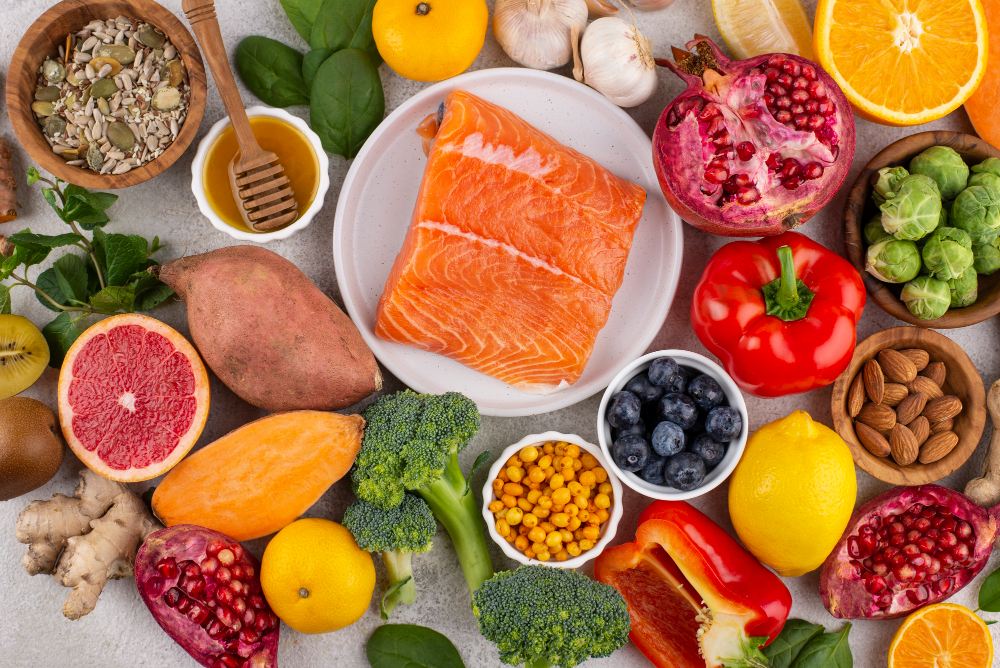
An anti-inflammatory dietary pattern emphasizes whole, minimally processed foods rich in nutrients that modulate inflammatory pathways. The most well-supported anti-inflammatory dietary components include omega-3 fatty acids from fatty fish (salmon, sardines, mackerel), walnuts, and flaxseed, which shift the eicosanoid balance toward anti-inflammatory mediators. Colorful vegetables and fruits rich in polyphenols and antioxidants — particularly leafy greens, berries, cruciferous vegetables, and beets — neutralize free radicals and inhibit inflammatory gene expression. Olive oil, the primary fat in Mediterranean dietary patterns, contains oleocanthal — a compound with anti-inflammatory properties similar to ibuprofen, according to research in Nature. Turmeric containing curcumin, ginger, green tea, and other spice-based anti-inflammatories. Fermented foods including yogurt, kefir, kimchi, and sauerkraut that support the gut microbiome and reduce systemic inflammatory markers.
The Mediterranean and Anti-Inflammatory Dietary Patterns
The Mediterranean diet — consistently ranked among the most evidence-supported dietary patterns — embodies most of the anti-inflammatory principles described above: abundant vegetables, legumes, whole grains, fish, olive oil, nuts, and moderate wine; minimal red meat and processed foods. Research published in The BMJ has associated Mediterranean dietary adherence with significantly reduced risk of cardiovascular disease, type 2 diabetes, and all-cause mortality. It also consistently shows reductions in inflammatory markers including C-reactive protein and interleukin-6.
Food Sensitivities and Individual Inflammatory Triggers
Beyond the general pro- and anti-inflammatory dietary categories, individual food sensitivities can drive significant personalized inflammatory responses that are not captured by population-level dietary research. Gluten sensitivity — even in the absence of celiac disease — can trigger intestinal permeability and systemic immune activation in susceptible individuals. Dairy proteins, nightshade vegetables, eggs, corn, and other foods can produce delayed inflammatory responses that are difficult to identify without systematic elimination and testing.
At Magnolia Medical Center in Murfreesboro, TN, we use advanced food sensitivity testing alongside anti-inflammatory dietary protocols to identify each patient’s individual dietary triggers — producing targeted dietary guidance that goes well beyond generic recommendations.
Frequently Asked Questions About Anti-Inflammatory Nutrition
How quickly can dietary changes reduce inflammation?
Inflammatory markers including high-sensitivity CRP can begin to decline within 2 to 4 weeks of implementing a comprehensive anti-inflammatory dietary protocol. Subjective improvements in energy, joint pain, skin, and digestive function often become noticeable within 2 to 3 weeks. More complete and sustained reductions in inflammatory burden develop over 2 to 3 months of consistent adherence.
Is gluten always inflammatory?
Not for everyone. In individuals with celiac disease or non-celiac gluten sensitivity, gluten triggers significant immune and inflammatory responses. In individuals without these sensitivities, gluten may be well-tolerated. Because gluten sensitivity exists on a spectrum and is not always identified by standard celiac testing, an elimination challenge is often the most informative way to determine whether gluten is an inflammatory driver in your specific biology.
Should I avoid all fats on an anti-inflammatory diet?
No. Healthy fats — particularly omega-3 fatty acids from fish and walnuts, and monounsaturated fats from olive oil and avocado — are strongly anti-inflammatory and should be consumed generously. The fats to minimize are refined omega-6 vegetable oils and trans fats. The quality and type of fat matters enormously; fat content alone is not a useful measure of a food’s inflammatory potential.
Can diet alone resolve chronic inflammation?
Diet is one of the most powerful drivers of inflammation, and dietary change alone can produce significant improvements. However, for many patients with established chronic inflammation and autoimmune or metabolic conditions, diet is most effective as part of a comprehensive functional medicine approach that also addresses gut health, nutritional deficiencies, hormonal balance, stress, and sleep. At Magnolia Medical Center, we integrate personalized nutrition with our full range of functional medicine interventions.


